
For a wholesale press-on nail order, sending the ready designs first makes sense only if that first delivery will be useful on its own. Before approving a partial shipment, agree the exact designs and complete sets to release, compare the total cost of both dispatches with waiting, and record what remains on order. “Send whatever is ready” leaves all three decisions open.
This guide is for a buyer deciding whether to release part of an order while other designs or packaging are still being prepared. It is a planned partial dispatch, rather than a carrier separating boxes during transit. Start with the supplier’s confirmation that the arrangement is possible for your order.
Find out what “ready” includes
A finished nail design is not necessarily a finished retail set. The card may still need approval, an insert may be missing, or the agreed accessories may not yet be packed. Ask which complete units can actually be released in the approved presentation.
Make the question specific: which design reference, size assortment and packaging version are ready, in what quantity, and subject to which remaining checks? Keep “finished nails awaiting packaging” separate from “packed and checked sets.” If the sample or printed artwork is still unapproved, an earlier dispatch date does not resolve that decision.
Also ask what would happen to the later goods. Would the first release change the remaining production sequence, packaging allocation or planned dispatch? Get a revised plan before choosing between sending and waiting. Do not assume the remaining stock can be held indefinitely or without a separate agreement.
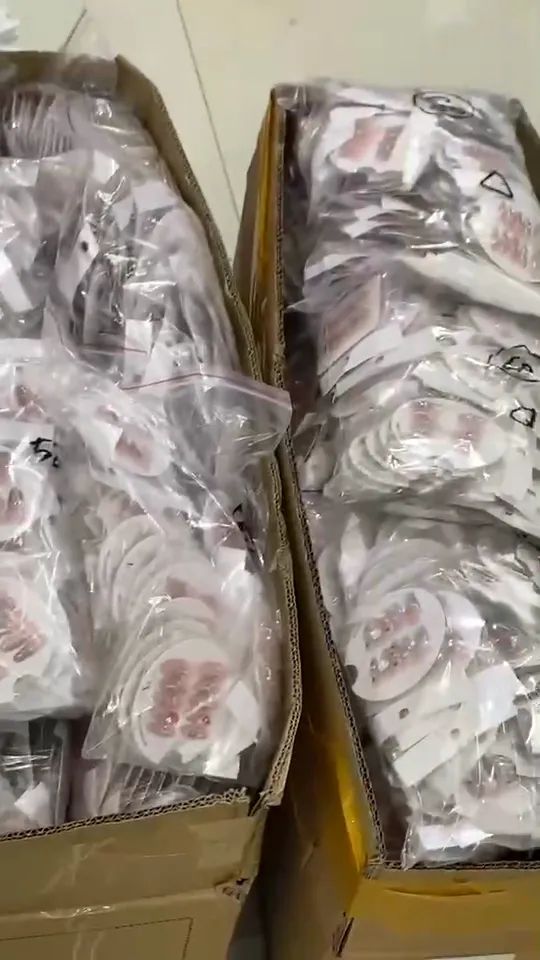
Packing reference image from SENAILGLOBAL’s existing website. It does not establish the contents or readiness of a new order; the quantities and costs below are hypothetical.
Decide whether the first delivery can do its job
Work backwards from the reason you need stock early. A retailer replenishing one listed design has a different need from a brand launching a coordinated collection. An early box is useful only if the contents can support the intended sale, display or agreed customer order.
Consider this hypothetical allocation, expressed in complete retail sets. It is not a SENAILGLOBAL minimum order or stock offer:
- Design A: 30 ordered; release 30 now; leave 0 for the later dispatch.
- Design B: 20 ordered; release 0 now; leave 20 for the later dispatch.
- Design C: 50 ordered; release 10 now; leave 40 for the later dispatch.
The first dispatch contains 40 sets and the remaining balance is 60. If your launch requires all three designs, those 40 sets do not provide the promised assortment because B is absent. If A and C are sold separately and their packaging is complete, they may serve a useful earlier release. The decision comes from your selling plan, not from the number of sets that happen to be finished.
Write down the latest useful arrival date, including the time your team needs to receive and prepare the goods. Ask which production, handover and delivery dates are estimates. Avoid promising customers a launch date solely from an estimated departure.
Compare the extra cost with the quantity that arrives early
Request two quotations with the same total product quantities and retail specification: one combined dispatch after everything is ready, and the proposed first dispatch plus the balance. Ask for the cost assumptions and the validity of each quote.
For illustration only, suppose one combined dispatch is quoted at USD 80, while the first and second dispatches are USD 45 and USD 55. The split total is USD 100, so the extra freight is USD 20. In the allocation above, that is USD 0.50 for each of the 40 sets released early. Dividing by all 100 sets would make the premium look smaller while hiding how much stock receives the timing benefit.
That calculation compares only the hypothetical freight lines. Ask separately about any additional packing, storage, handling, clearance or destination charges and which party pays them. Do not assume they are included or simply doubled. FedEx’s shipping-cost explanation identifies route, weight, dimensions and service choices among the factors affecting a shipping quote; splitting an order is a reason to request new figures rather than divide the original rate.
Use the air-or-sea decision guide if the transport modes also differ. The question here is whether the first allocation earns its extra cost, even when both dispatches use the same mode.
Keep the balance visible after the first release
Give each dispatch a reference linked to the original order. For every design and packaging version, retain the agreed total, any quantity previously dispatched, the proposed release and the balance still awaiting dispatch. Check that those quantities reconcile before approving the release.
For the later balance, record the remaining work, the next date for a status update, who can authorize release and what should happen if the plan changes again. Confirm how the partial dispatch affects payment milestones, where applicable. Do not infer a new payment arrangement from a new shipping arrangement.
Keep the dispatch paperwork with the right allocation. The International Trade Administration’s document overview explains that a packing list and commercial invoice serve different purposes and should contain consistent shipment information. Ask the supplier and forwarder to confirm the documents for the actual dispatch; do not copy a full-order quantity onto paperwork intended to describe only the first part.
Our packing-list worksheet covers the carton-level check once the allocation is settled. Record which documents are ready and who will confirm any open points for each dispatch. Destination-specific requirements still need confirmation for your shipment.
Send a release instruction that can be checked
Use the following fields to turn the discussion into a proposed instruction. Leave unconfirmed items open rather than treating them as agreed:
- Original order reference and specification revision:
- First dispatch reference, destination and requested timing:
- Design references, size assortments, packaging versions and complete sets to release:
- Checks or approvals still required before release:
- Combined-dispatch quote compared with both proposed dispatch costs:
- Other charges, payment arrangements and responsibility still to confirm:
- Quantity remaining by design and packaging version:
- Remaining work, next update date and person approving the later release:
Ask for a written confirmation against that allocation before authorizing dispatch. When the first part arrives, reconcile it against its own packing record and keep the outstanding balance open. A correct first delivery does not establish that the entire order has been received.
For a SENAILGLOBAL inquiry, use the references in the current catalog and send your quantities, packaging needs, destination and reason for requesting an earlier part through the inquiry form. Ask whether a partial dispatch can be arranged and how it would change the quote. Availability, holding arrangements, costs and timing need confirmation for the specific order.